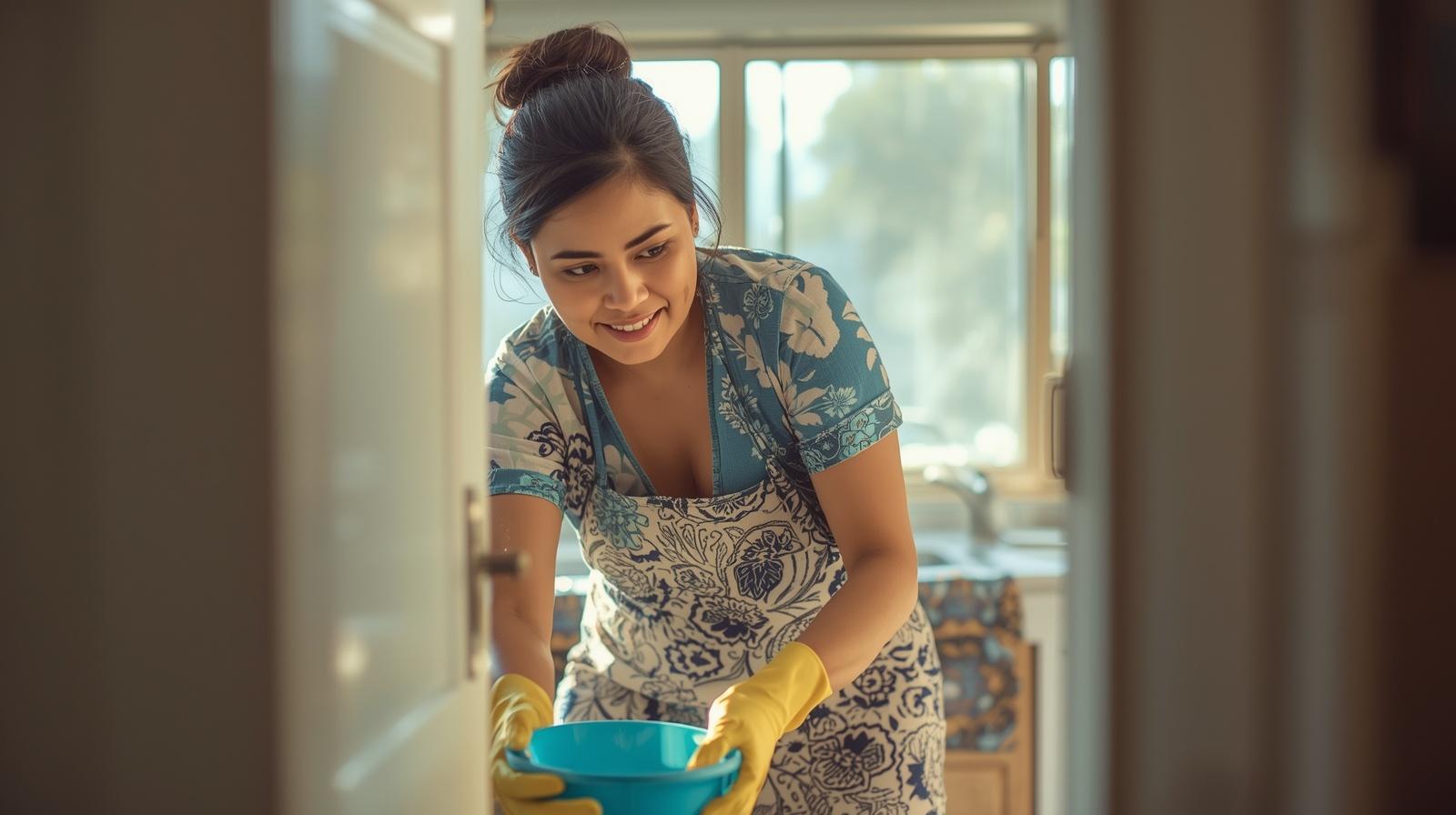
A clean home is comforting. A hygienic home protects your health.
The difference between the two is often overlooked. You can have a tidy space that still harbors bacteria, allergens, and hidden dirt. That’s why improving household hygiene isn’t about cleaning more — it’s about cleaning smarter and building habits that actually work.
In this complete guide, you’ll learn practical, realistic ways to improve household hygiene and create a healthier lifestyle for you and your family.
What Is Household Hygiene? (Simple Explanation)
Household hygiene refers to the practices that keep your living environment safe, clean, and free from harmful bacteria and contaminants.
It involves:
- Cleaning and disinfecting surfaces
- Maintaining air quality
- Managing waste properly
- Preventing moisture and mold
In simple terms, it’s about protecting your home from invisible risks.
Why Household Hygiene Matters
Improving hygiene at home has a direct impact on your well-being.
Key benefits:
- Reduces illness and infections
- Improves air quality
- Prevents mold and bacteria growth
- Creates a more comfortable living space
- Supports overall health
A personal observation: when hygiene improves, you don’t just see the difference — you feel it, especially in how fresh and light your home becomes.
The Foundations of a Hygienic Home
Before diving into specific actions, focus on these core principles:
- Consistency over intensity
- Prevention over correction
- Simplicity over complexity
These principles make hygiene sustainable.
Practical Ways to Improve Household Hygiene
1. Focus on High-Touch Areas
These surfaces collect the most germs:
- Door handles
- Light switches
- Remote controls
- Countertops
Clean them daily.
A tip I always follow: if something is touched multiple times a day, it should be cleaned just as often.
2. Maintain Proper Hand Hygiene
Good home hygiene starts with personal habits.
- Wash hands regularly
- Encourage family members to do the same
- Especially after entering the house
This reduces the spread of germs indoors.
3. Keep Your Kitchen Clean and Safe
The kitchen is one of the most sensitive areas.
- Clean surfaces after each use
- Wash dishes immediately
- Store food properly
- Sanitize sinks and countertops
A practical tip: always wipe surfaces after cooking — it prevents buildup.
4. Improve Bathroom Hygiene
Bathrooms require consistent care.
- Clean toilet, sink, and shower regularly
- Keep surfaces dry
- Replace towels frequently
- Ventilate the space
Moisture control is key to preventing mold.
5. Control Air Quality
Clean air is essential for a healthy home.
- Open windows daily
- Let sunlight in
- Avoid excessive humidity
Fresh air reduces bacteria and odors.
6. Manage Waste Properly
Trash can quickly become a hygiene issue.
- Take out garbage regularly
- Clean trash bins
- Avoid letting waste accumulate
This prevents odors and bacteria growth.
7. Keep Floors Clean
Floors collect dirt, dust, and germs.
- Sweep or vacuum frequently
- Mop regularly
- Remove shoes indoors if possible
A simple habit like removing shoes can significantly reduce dirt.
8. Wash Fabrics Regularly
Fabric surfaces trap dust and bacteria.
- Wash bedding weekly
- Clean towels frequently
- Vacuum carpets and upholstery
This improves hygiene and comfort.
9. Declutter Your Space
Clutter makes cleaning harder and traps dust.
- Keep surfaces clear
- Organize regularly
- Avoid unnecessary accumulation
Less clutter means better hygiene.
10. Create a Weekly Cleaning Routine
Daily habits are essential, but they must be supported by:
- Weekly deep cleaning
- Focus on hidden areas
- More thorough sanitation
Together, they create a complete hygiene system.
Benefits of Improving Household Hygiene
When you apply these habits consistently, you’ll notice:
- A healthier environment
- Reduced allergies
- Less stress
- Better organization
- More comfortable living space
Practical Daily Hygiene Routine
Keep it simple:
- Wipe key surfaces
- Wash dishes
- Open windows
- Take out trash if needed
- Do a quick tidy-up
Consistency is what keeps your home clean.
Real-Life Example
Instead of doing occasional heavy cleaning:
- Maintain daily hygiene habits
Result:
- Less effort over time
- Better results
- More control
Small actions create long-term impact.
When These Hygiene Improvements Matter Most
This approach is especially useful for:
- Families with children
- Homes with pets
- Busy lifestyles
- Small spaces
Personally, I find these habits most effective when they become automatic — part of your routine, not a task.
Interactive Section: Is Your Home Truly Hygienic?
Ask yourself:
- Do I clean high-touch areas daily?
- Do I ventilate my home regularly?
- Do I control moisture?
- Do I follow a routine?
If not, now is the time to improve.
Frequently Asked Questions (FAQ)
How often should I clean high-touch surfaces?
Daily, especially in frequently used areas.
Is hygiene different from cleaning?
Yes. Cleaning removes dirt; hygiene prevents germs and health risks.
How can I improve air quality at home?
Open windows, reduce humidity, and keep surfaces clean.
Do I need expensive products?
No. Simple cleaning tools are enough.
Can better hygiene improve health?
Yes. It reduces exposure to bacteria and allergens.
Final Thoughts: A Healthier Home Starts with Simple Habits
Improving household hygiene doesn’t require perfection.
It requires consistency.
You don’t need complicated systems.
You don’t need hours of effort.
You need simple habits practiced daily.
One final tip I always follow: focus on what you can maintain long-term. A simple routine you stick to is far more effective than a perfect plan you abandon.
Start small, stay consistent, and your home will become a healthier place to live.