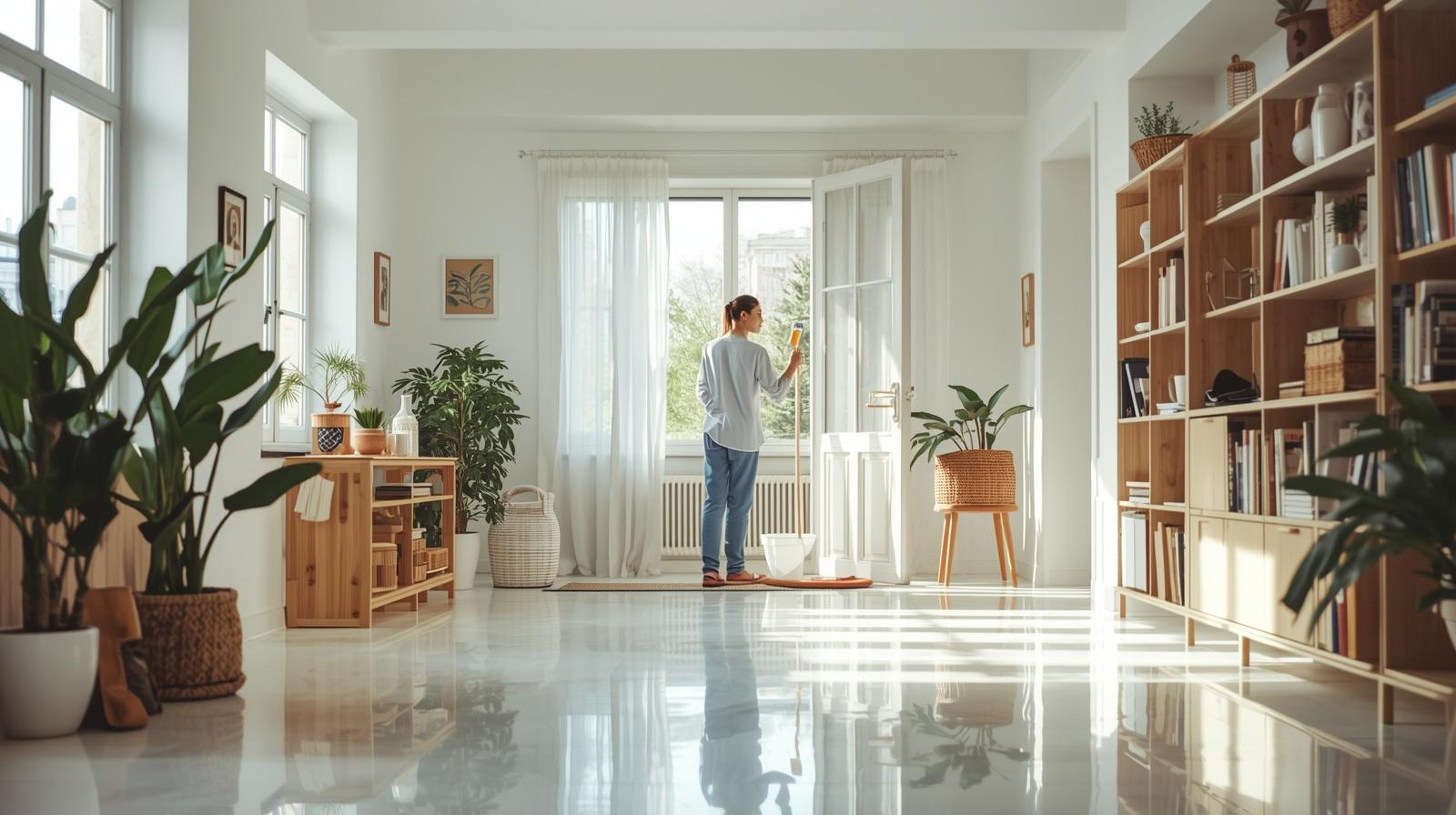
A clean-looking home doesn’t always mean a hygienic one.
Germs, bacteria, and allergens can build up silently on surfaces you touch every day. The good news is that maintaining a safe and germ-free living space doesn’t require complicated routines — just the right habits, done consistently.
In this complete guide, you’ll discover practical home hygiene tips that are easy to follow and powerful enough to protect your health and improve your daily comfort.
What Is Home Hygiene? (Simple Explanation)
Home hygiene is the practice of keeping your living space clean, safe, and free from harmful microorganisms.
It involves:
- Regular cleaning of surfaces
- Preventing the spread of germs
- Maintaining air quality
- Managing moisture and waste
In simple terms, it’s about creating a healthier environment where you live.
Why Home Hygiene Is Essential
Improving hygiene at home directly impacts your well-being.
Key benefits:
- Reduces the risk of illness
- Controls bacteria and allergens
- Improves air quality
- Creates a more comfortable environment
- Supports overall health
A personal observation: when your home is hygienic, you feel it immediately — the air is fresher, and the space feels lighter.
Essential Home Hygiene Tips
1. Clean High-Touch Surfaces Daily
These areas collect the most germs:
- Door handles
- Light switches
- Remote controls
- Countertops
Wipe them down every day.
A tip I always follow: if it’s touched frequently, it should be cleaned frequently.
2. Wash Your Hands Regularly
Good hygiene starts with you.
- Wash hands after coming home
- Before cooking or eating
- After cleaning
This simple habit prevents germs from spreading.
3. Keep Your Kitchen Clean
The kitchen requires constant attention.
- Clean surfaces after use
- Wash dishes immediately
- Store food properly
- Disinfect sinks and countertops
A practical tip: wiping surfaces right after cooking prevents buildup.
4. Maintain Bathroom Hygiene
Bathrooms are prone to bacteria and moisture.
- Clean toilet, sink, and shower regularly
- Keep surfaces dry
- Replace towels frequently
- Ventilate the space
Moisture control helps prevent mold.
5. Improve Air Quality
Fresh air plays a major role in hygiene.
- Open windows daily
- Allow sunlight in
- Reduce humidity
Even a few minutes of ventilation makes a difference.
6. Take Out Trash Frequently
Trash can quickly affect hygiene.
- Empty bins regularly
- Clean trash containers
- Avoid accumulation
This prevents odors and bacteria growth.
7. Keep Floors Clean
Floors collect dirt and germs.
- Sweep or vacuum regularly
- Mop weekly
- Avoid wearing shoes indoors
A simple habit like removing shoes reduces dirt significantly.
8. Wash Fabrics Regularly
Soft surfaces trap dust and bacteria.
- Wash bedding weekly
- Clean towels every few days
- Vacuum carpets and upholstery
This improves both hygiene and comfort.
9. Declutter Your Space
Clutter traps dust and makes cleaning harder.
- Keep surfaces clear
- Organize regularly
- Avoid unnecessary items
Less clutter leads to better hygiene.
10. Follow a Weekly Deep Cleaning Routine
Daily habits are essential, but deeper cleaning is still necessary.
- Focus on hidden areas
- Clean thoroughly once a week
- Maintain consistency
Together, these habits create a complete hygiene system.
Benefits of a Germ-Free Home
When you apply these tips consistently, you’ll notice:
- A healthier living environment
- Reduced allergies and illness
- Less stress
- Better organization
- A more enjoyable space
Practical Daily Hygiene Routine
Here’s a simple checklist:
- Wipe high-touch surfaces
- Wash dishes
- Take out trash if needed
- Open windows
- Do a quick tidy-up
Keep it simple and consistent.
Real-Life Example
Instead of waiting for a full cleaning day:
- Spend 10–15 minutes daily maintaining hygiene
Result:
- Less effort overall
- Better results
- More control
Small actions create lasting impact.
When These Tips Are Most Important
These hygiene habits are especially useful for:
- Families with children
- Homes with pets
- Busy routines
- Small living spaces
Personally, I find them most effective when they become automatic — part of your daily life.
Interactive Section: Is Your Home Truly Germ-Free?
Ask yourself:
- Do I clean high-touch areas daily?
- Do I ventilate my home regularly?
- Do I control moisture?
- Do I follow a routine?
If not, now is the time to improve.
Frequently Asked Questions (FAQ)
How often should I clean high-touch surfaces?
Daily, especially in frequently used areas.
What’s the difference between cleaning and hygiene?
Cleaning removes dirt; hygiene prevents germs and health risks.
How can I improve air quality at home?
Open windows, reduce humidity, and maintain cleanliness.
Do I need expensive cleaning products?
No. Basic tools and consistency are enough.
Can hygiene habits reduce illness?
Yes. They significantly reduce exposure to germs.
Final Thoughts: A Safer Home Starts with Simple Habits
Keeping your home safe and germ-free doesn’t require perfection.
It requires consistency.
You don’t need complex routines.
You don’t need hours of cleaning.
You need simple habits practiced daily.
One final tip I always follow: focus on what you can maintain long-term. A simple routine done every day is more powerful than occasional deep cleaning.
Start small, stay consistent, and your home will become a healthier place to live.