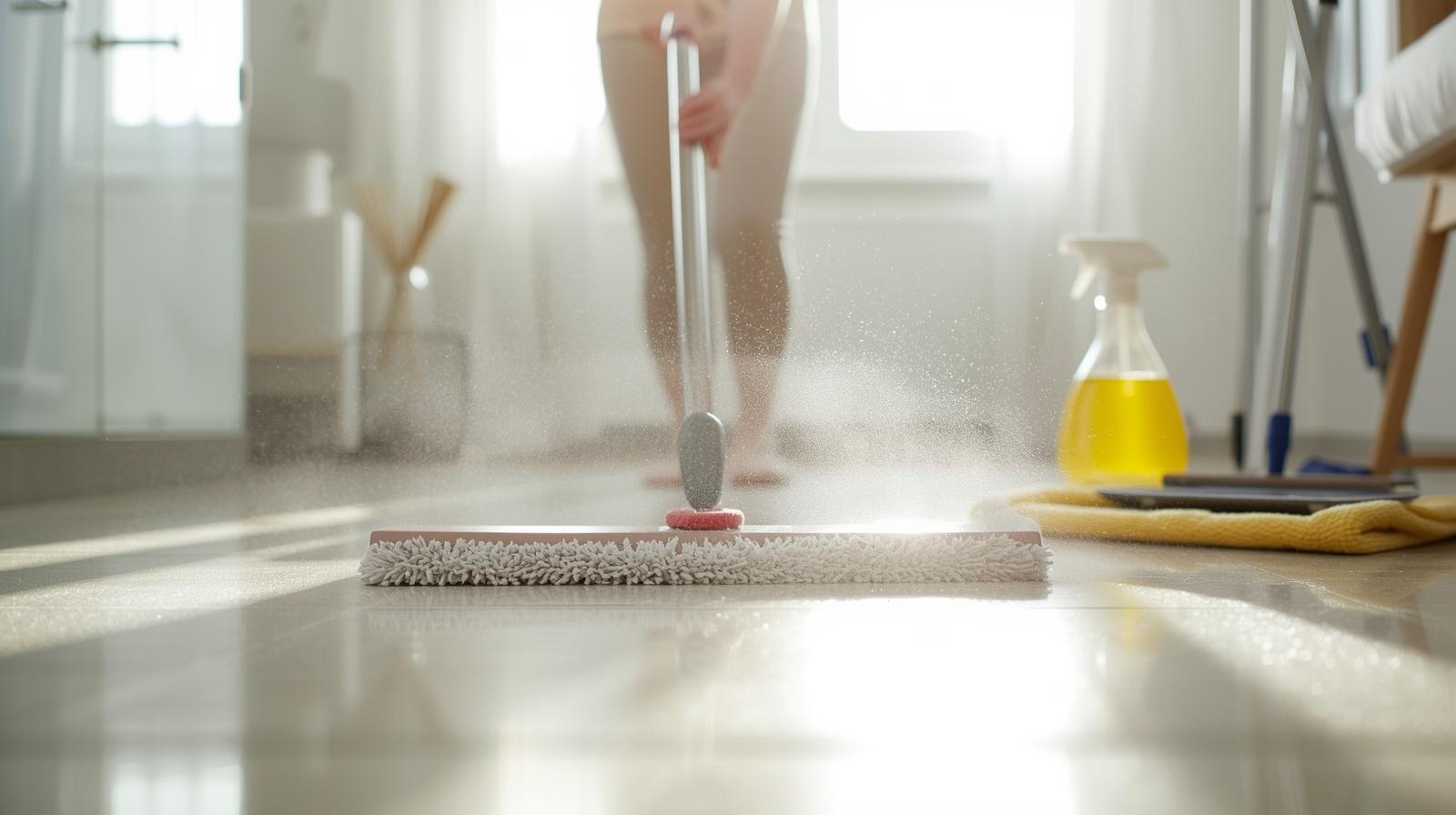
Life gets busy. Between work, family, and daily responsibilities, keeping your home clean can feel like an impossible task.
But here’s the truth: you don’t need more time — you need a smarter system.
Efficient home cleaning isn’t about doing everything. It’s about doing the right things in the right way, so your home stays clean without taking over your schedule.
In this complete guide, you’ll learn practical, time-saving strategies to maintain a clean, organized, and stress-free home — even on your busiest days.
What Is Efficient Home Cleaning? (Simple Explanation)
Efficient cleaning means getting the best results with the least amount of time and effort.
It focuses on:
- Smart routines
- Prioritizing high-impact areas
- Consistency over perfection
Think of it as cleaning with purpose, not pressure.
Why Busy People Struggle to Keep Their Homes Clean
If you’re short on time, cleaning often becomes:
- Delayed
- Rushed
- Overwhelming
This leads to buildup, which makes cleaning even harder.
A personal observation: the biggest shift happens when you stop trying to clean everything at once and start maintaining small areas consistently.
The Efficient Cleaning System That Actually Works
1. Focus on High-Impact Areas First
Not all cleaning tasks are equal.
Prioritize:
- Kitchen surfaces
- Bathroom areas
- Floors in high-traffic zones
These areas affect cleanliness the most.
A tip I always follow: if guests walked in right now, what would they notice first? Clean that first.
2. Use the “Clean as You Go” Rule
This habit saves hours over time.
- Wipe surfaces immediately
- Put items back after use
- Clean small messes right away
It prevents buildup and keeps your home under control.
3. Create a Simple Daily Routine
Keep it short and realistic.
Daily tasks (10–20 minutes):
- Wipe key surfaces
- Wash dishes
- Tidy up clutter
- Take out trash if needed
A personal tip: I always attach cleaning to existing habits, like wiping the kitchen right after meals.
4. Break Cleaning Into Small Tasks
Don’t try to clean everything at once.
Instead:
- Focus on one room or area per day
- Keep sessions short
This reduces overwhelm and improves consistency.
5. Use Time Blocks
Set a timer:
- 15–30 minutes per session
This keeps you focused and prevents burnout.
A tip I always use: once the timer starts, I clean without distractions — it makes a big difference.
6. Keep Supplies Easily Accessible
Convenience increases consistency.
- Store cleaning products in key areas
- Use a portable caddy
If it’s easy to grab, you’re more likely to clean.
7. Declutter Regularly
Clutter makes cleaning harder.
- Keep surfaces clear
- Remove unnecessary items
- Organize frequently
A simple rule: less stuff = less cleaning.
8. Follow a Weekly Cleaning Plan
Structure your week:
Day 1:
- Living room
Day 2:
- Kitchen
Day 3:
- Bathroom
Day 4:
- Bedroom
Day 5:
- Touch-ups
This keeps everything under control without overload.
9. Don’t Aim for Perfection
Perfection slows you down.
- Focus on progress
- Accept “good enough”
A personal observation: a consistently clean home is better than a perfectly clean home once in a while.
10. Build Habits, Not Motivation
Motivation comes and goes.
Habits stay.
- Keep routines simple
- Repeat daily actions
- Make cleaning automatic
This is the real secret to efficiency.
Benefits of Efficient Cleaning
When you apply this system, you’ll notice:
- More free time
- Less stress
- A consistently clean home
- Better organization
- Improved comfort
Practical Daily Cleaning Routine
Here’s a realistic plan:
Morning:
- Make the bed
- Open windows
During the day:
- Clean as you go
- Wipe surfaces
Evening:
- 10-minute reset
- Take out trash if needed
Keep it flexible and simple.
Real-Life Example
Instead of spending hours cleaning on weekends:
- Clean 15 minutes daily
Result:
- Less effort
- Better maintenance
- More control
Small actions create big results.
When This Method Works Best
This approach is ideal for:
- Busy professionals
- Families
- Small homes or apartments
- Anyone with limited time
Personally, I find it most effective when cleaning becomes part of your routine, not a separate task.
Interactive Section: Is Your Cleaning Routine Efficient?
Ask yourself:
- Do I feel overwhelmed by cleaning?
- Do I try to do everything at once?
- Do I have a simple routine?
- Do I clean consistently?
If not, it’s time to simplify.
Frequently Asked Questions (FAQ)
How long should daily cleaning take?
About 10 to 20 minutes.
Is it better to clean daily or weekly?
A combination works best: daily maintenance + weekly deeper cleaning.
What’s the most important habit?
Cleaning as you go.
Can I keep my home clean with little time?
Yes. Efficiency matters more than time.
Do I need many cleaning products?
No. Simple tools are enough.
Final Thoughts: Clean Less, Live More
Keeping your home clean doesn’t require more time.
It requires a better system.
You don’t need to do everything.
You don’t need perfection.
You need consistency and smart habits.
One final tip I always follow: make cleaning part of your life, not something you avoid. When it becomes routine, it stops feeling like a burden.
Start small, stay consistent, and enjoy a clean home — even with a busy schedule.